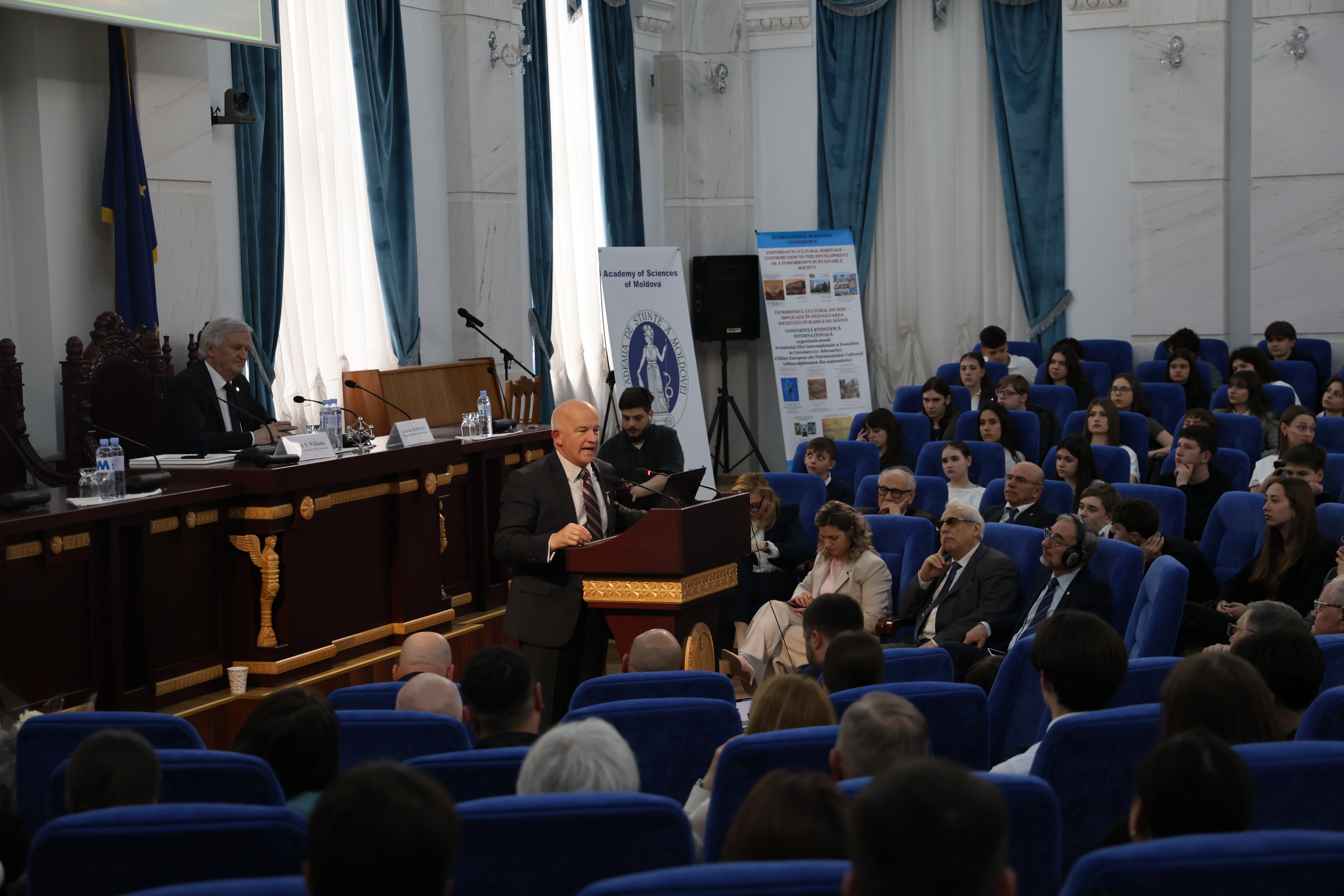
The Academy of Sciences of Moldova hosted, on April 3, 2026, a meeting with NASA astronaut Jeffrey N. Williams, a prominent figure in the field of space exploration, participant in four space missions and holder, in 2016, of the NASA record for the longest cumulative time spent in orbit at that time.
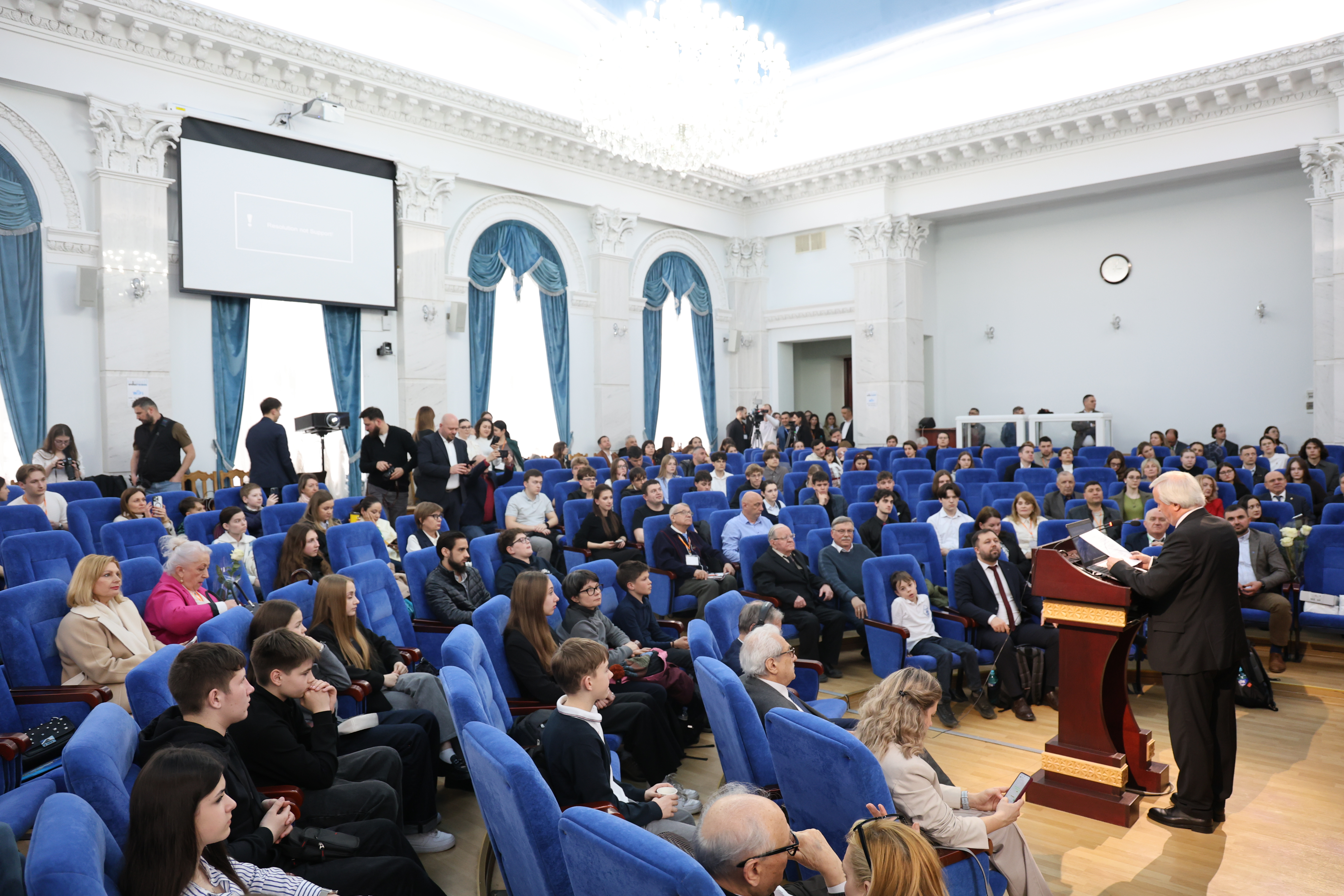
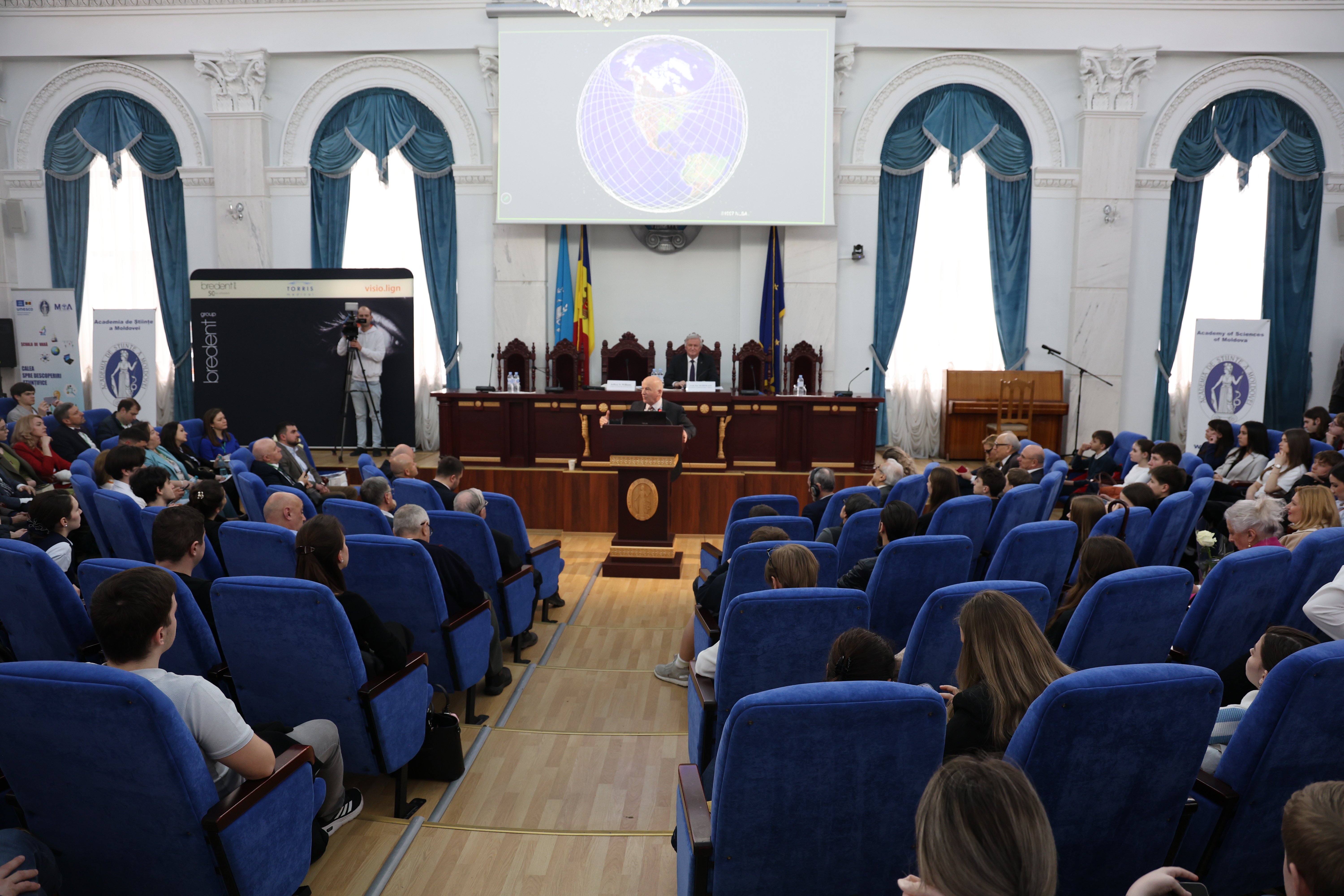
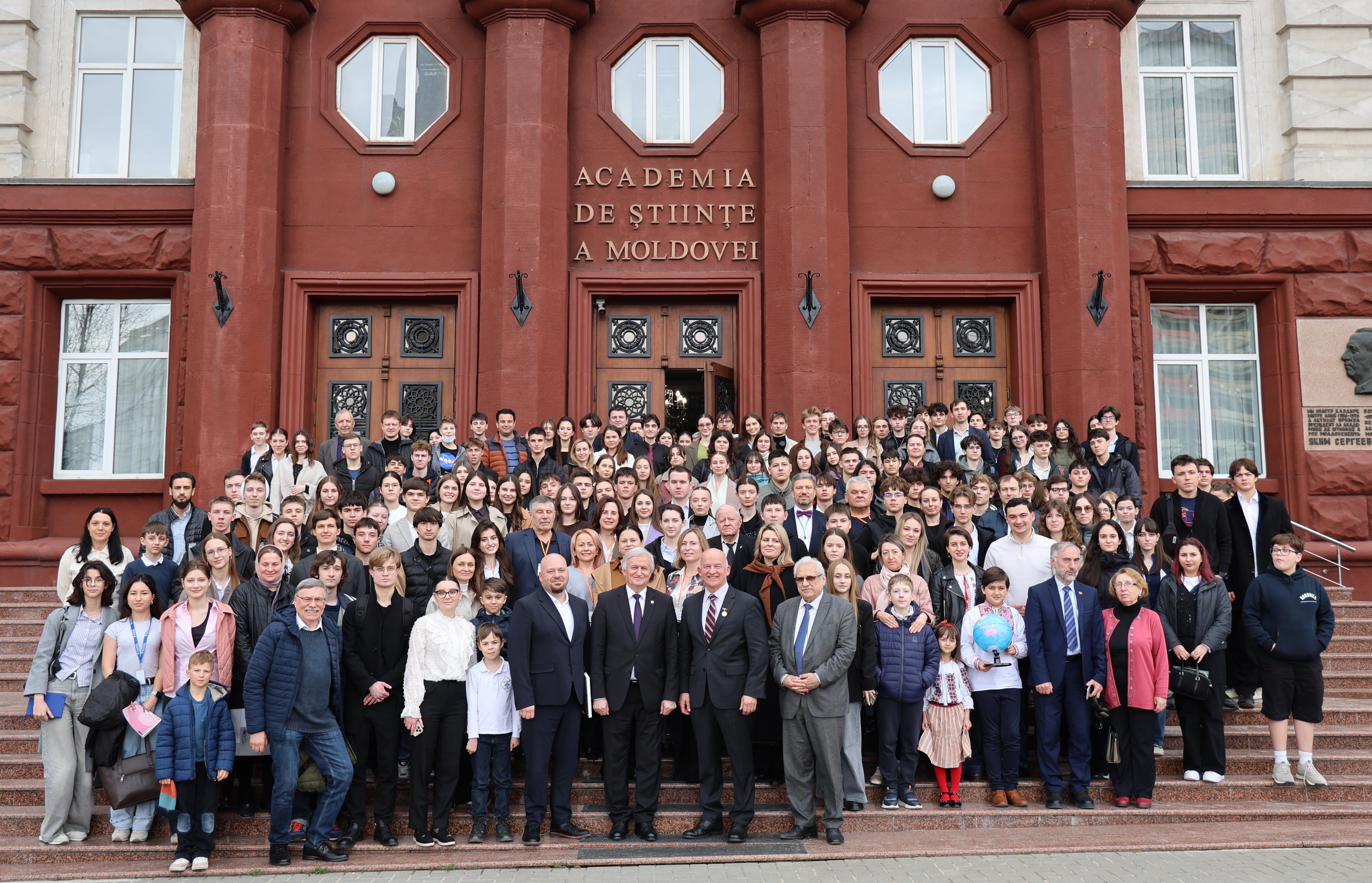
The event, held under the title “Earth Viewed from Orbit,” brought together a large audience consisting of pupils, students, teachers, young researchers, and established scientists interested in science, space exploration, innovation, and the responsibility of present and future generations toward the environment.
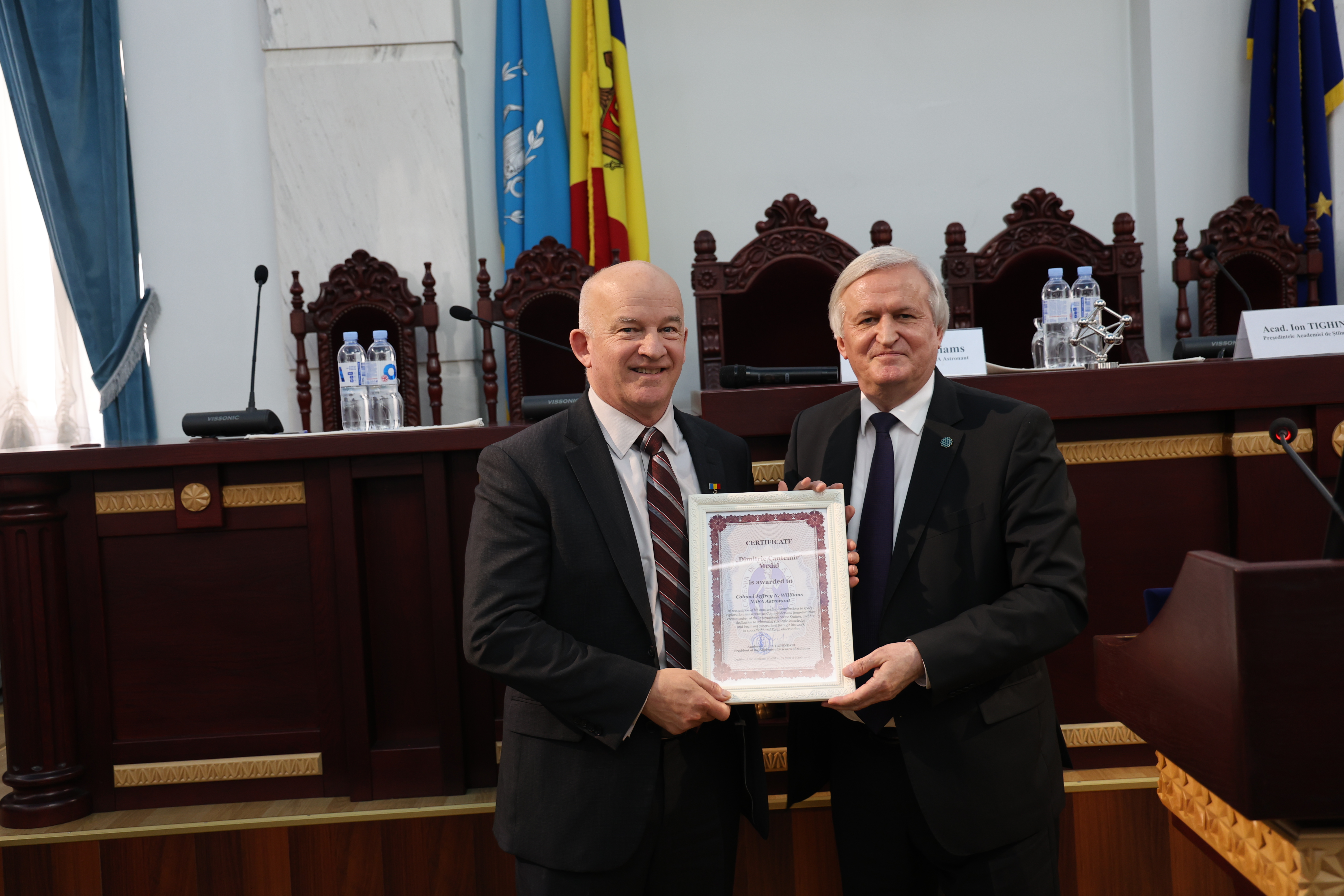
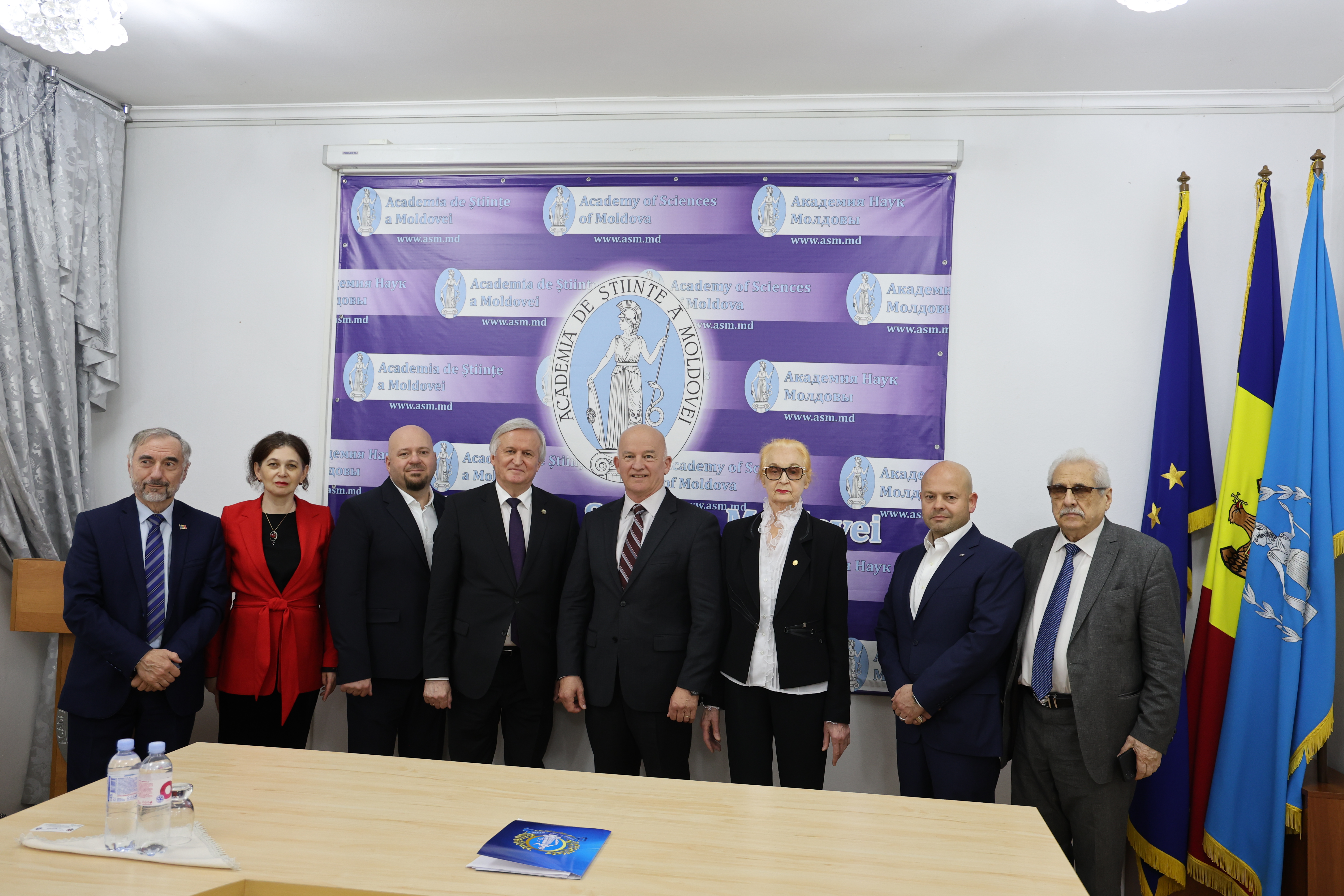
The opening of the event was marked by a solemn moment. As a sign of high appreciation for his outstanding contributions to the advancement of science and the promotion of knowledge, the Academy of Sciences of Moldova awarded Colonel Jeffrey N. Williams the “Dimitrie Cantemir” Medal.
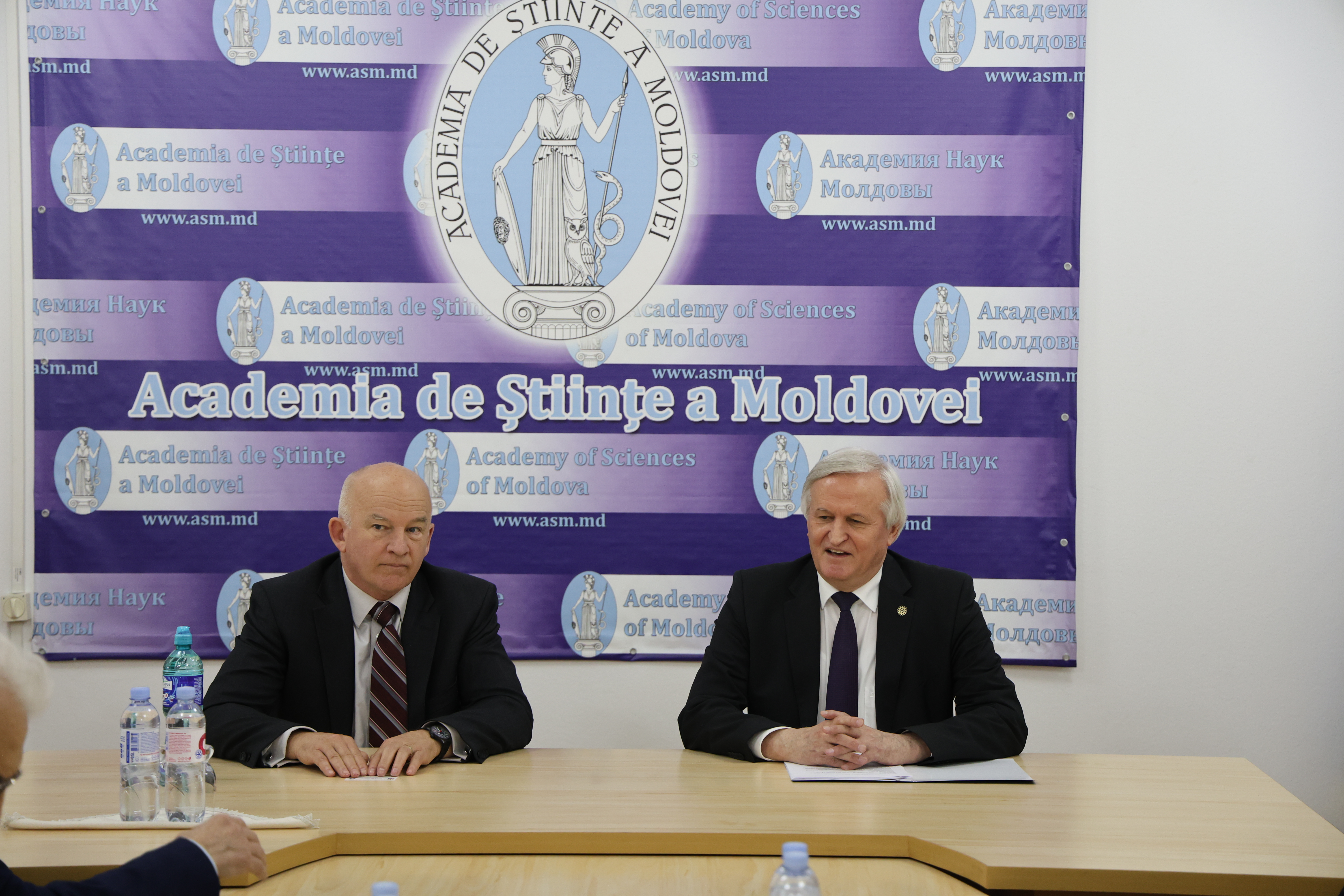
The distinction was presented by the President of the Academy of Sciences of Moldova, Ion Tighineanu, who emphasized in his opening speech that Mr. Williams’s presence in Chișinău represents an event of major scientific and educational importance, with a profound inspirational impact on the younger generation and the academic community.
During the meeting, held in the Azure Hall of the Academy of Sciences of Moldova, the astronaut offered participants an authentic perspective on his professional and human experience, accumulated over the course of 534 days spent in space, highlighting both the complexity of space missions and the profound relationship between scientific knowledge, technological progress, and the future of humanity.
The interest in the event was considerable: more than 230 individuals — pupils, students, young researchers, and experienced scientists—expressed their intention to participate. Their motivations reflected a broad spectrum of concerns and aspirations, ranging from a passion for astronomy, astrophysics, and space exploration to an interest in exact sciences, emerging technologies, interdisciplinary research, and career orientation in STEM fields.
For many participants, the meeting with Jeffrey N. Williams represented not only an opportunity for information, but also a moment of intellectual inspiration and personal motivation, contributing to the strengthening of interest in research, education, and academic excellence.
The high level of interest was also reflected in the significant number of questions addressed in advance to the NASA astronaut. The nearly 200 questions formulated highlighted not only a natural curiosity about space exploration, but also a high level of intellectual maturity and reflection on major themes of contemporary knowledge.
Among the topics addressed were aspects related to daily life in space, activities carried out aboard the International Space Station, the physical and psychological challenges of long-duration missions, the effects of microgravity on the human body, as well as the process of readaptation to terrestrial conditions after returning to Earth.
At the same time, numerous questions focused on the professional trajectory of Jeffrey N. Williams, the motivations that led him to pursue this career, the difficulties overcome along his professional path, as well as recommendations for young people aspiring to careers in astronomy, astrophysics, aerospace engineering, and related fields.
A distinct dimension was provided by philosophical and civic questions concerning the fragility of Earth, humanity’s responsibility toward the environment, the meaning of space exploration, the future of colonizing other planets, and the role of scientific research in shaping the development directions of contemporary civilization.
The meeting with NASA astronaut Jeffrey N. Williams, hosted by the Academy of Sciences of Moldova, also attracted significant interest from the media.
Jeffrey N. Williams was selected as a NASA astronaut in 1996 and completed four spaceflight missions. He was responsible for various scientific and operational activities aboard the International Space Station, served as Commander of the station during one of his missions, and made significant contributions to scientific research conducted in space.
Source: ASM